
GenAI
Generative AI for product and operations teams
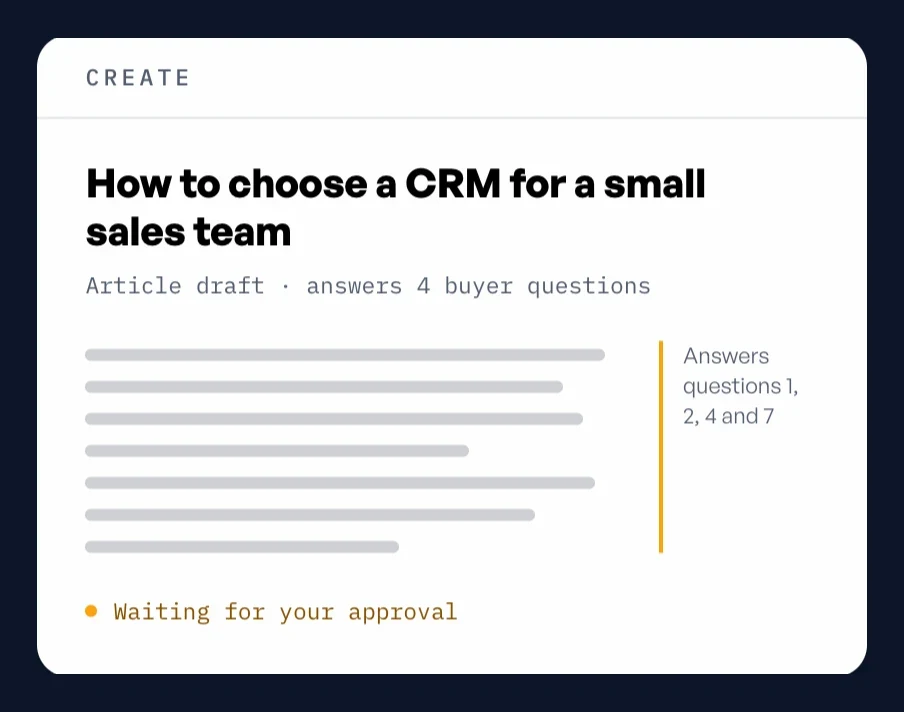
aigo, our own product: AI agents write the draft, and a person approves it before it goes out.
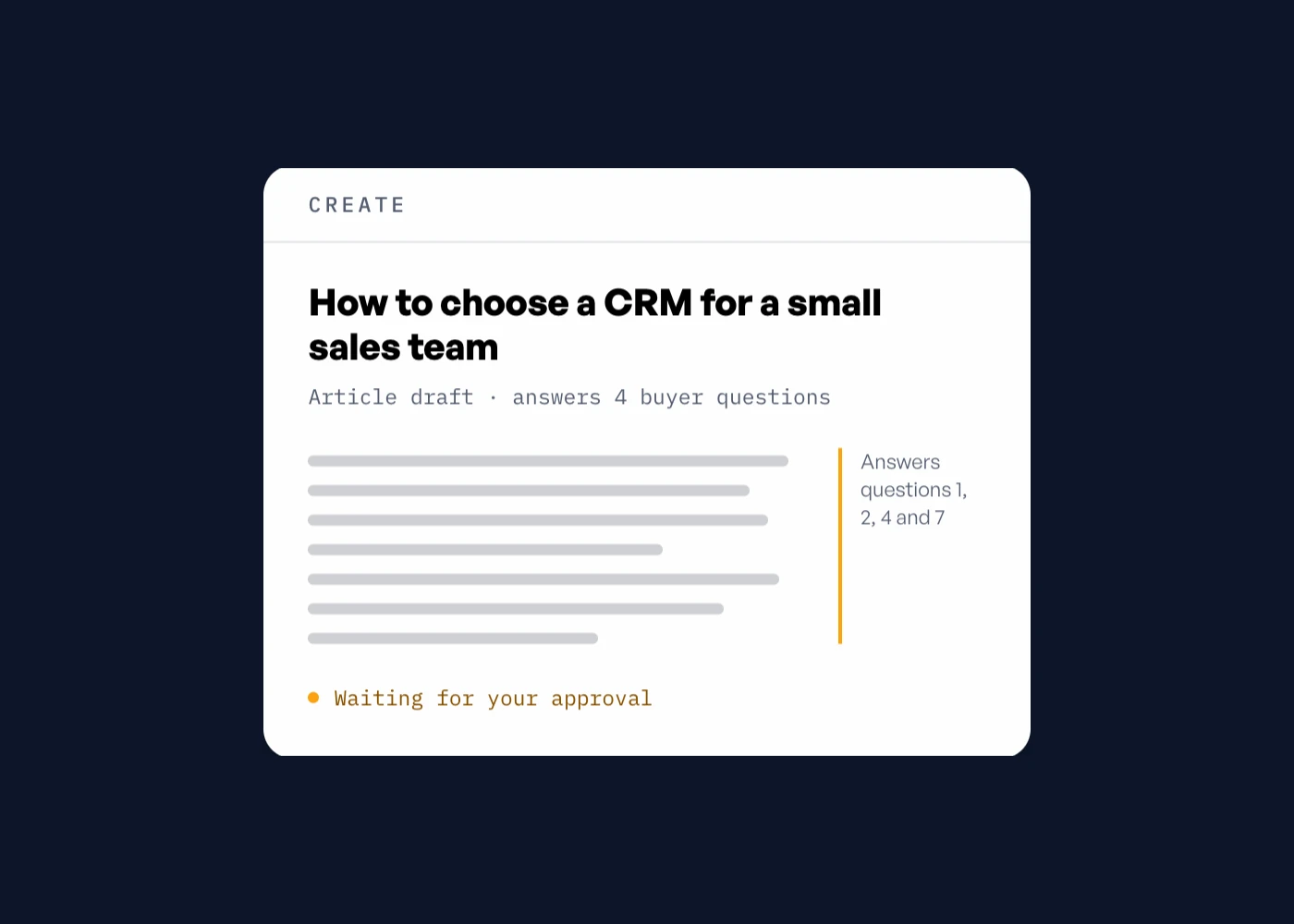
aigo, our own product: AI agents write the draft, and a person approves it before it goes out.
- Your team
- Answers drawn from your own documents
- Your product
- Drafting, summaries and search, built in
- Where it runs
- Private models inside your own infrastructure
- Our product
- aigo: AI agents, a person approves
When teams call us about AI
Each row links to how we handle it.
- Staff spend hours a day retyping back-office documents.How we approach it
- The AI pilot never made it from demo to production.How we approach it
- Company data must stay inside your own infrastructure.How we approach it
- You are choosing: Copilot seats or a document pipeline.How we approach it
- There is no ML team to run the system after launch.How we approach it
- You are sizing GPU servers for a private language model.How we approach it
What generative AI does for your team
Inside your own infrastructure
- 01Your documentsPolicies, contracts, manuals and tickets, kept where they already are.
- 02Search indexFinds the passages that answer the question: retrieval-augmented generation (RAG).
- 03Private language modelWrites the answer from those passages on servers you control.
- 04Your teamGets the answer in the tools and systems it already uses.
- 01
Answers from documents
Your team asks a question in plain language and gets an answer drawn from your policies, contracts, manuals and tickets. The system is retrieval-augmented generation (RAG) over your own documents.
Fine-tuning or RAG on company data
- 02
Documents into records
We have taken an LLM integration to production inside a client's FinTech perimeter: extracting and normalising unstructured broker and venue notices — corporate actions, instrument and margin changes — into structured records the trading system consumes.
AI document processing
- 03
Features in your product
Drafting, summaries and search built into the product you already run: the product drafts replies and reports from its own data, shortens long files, and finds records from a plain-language request.
OpenAI API or Anthropic API
- 04
Private language models
We deploy private language models inside your own infrastructure and connect them to the systems you already run. Your documents and customer data stay inside your perimeter.
OpenAI API or a self-hosted model
- 05
Pilots that stalled
A pilot that worked in the demo and never reached production. We take over projects that stalled with another team and bring them to production, inside your infrastructure when the data must stay there.
The AI pilot that never reached production
Our product · aigo
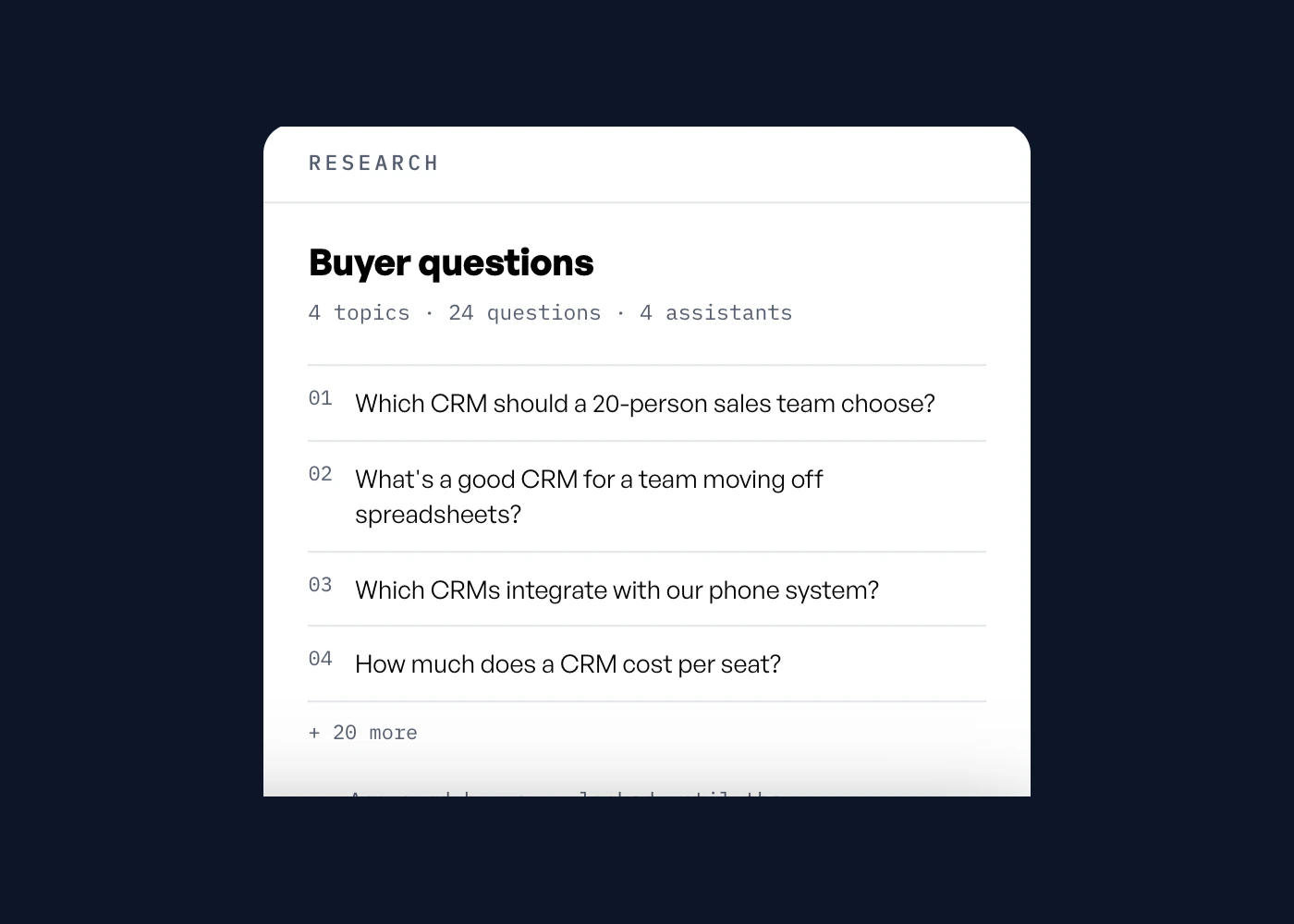
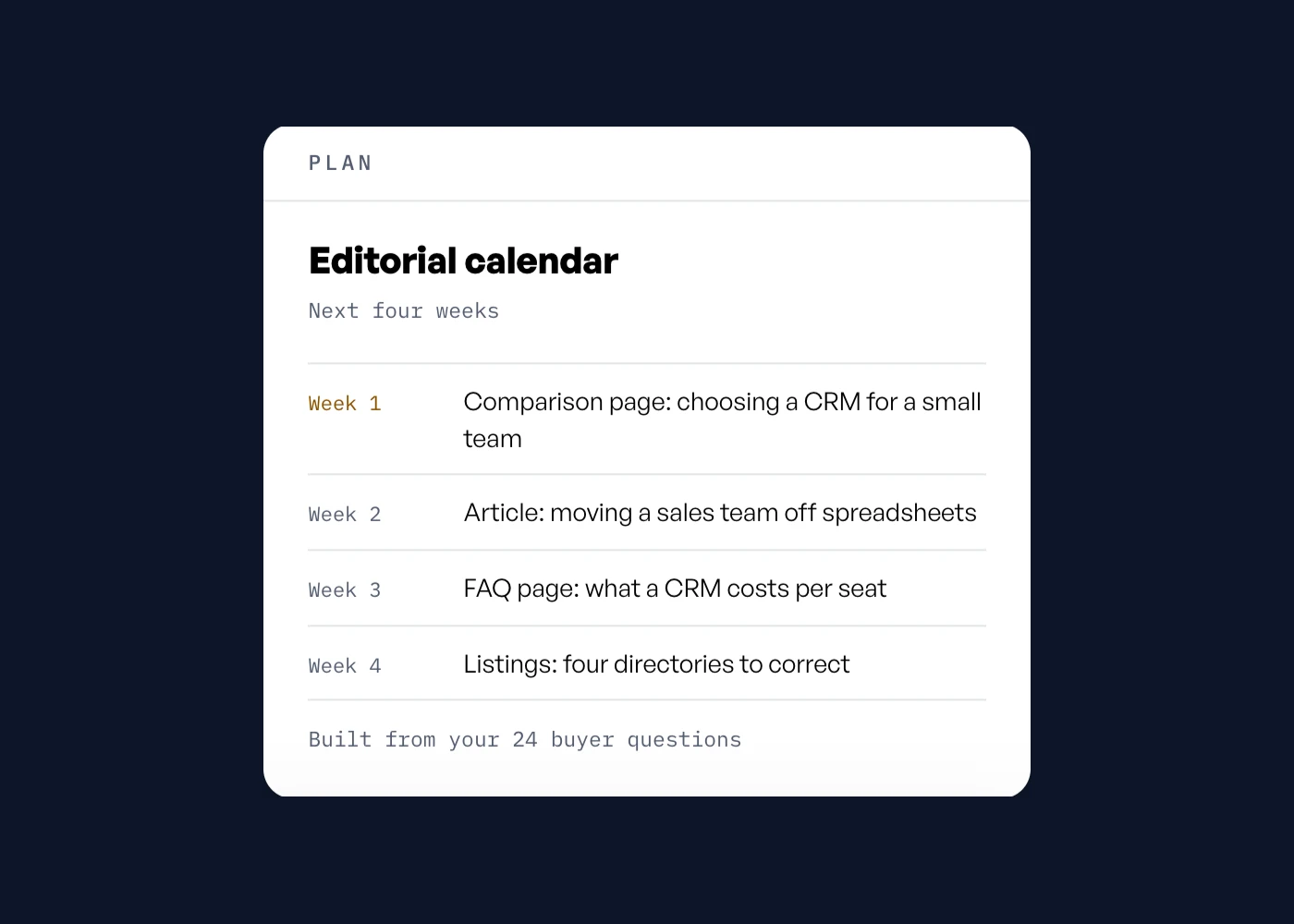
aigo: AI agents research and write, a person approves
- Agents
- They research, write, check and measure
- Memory
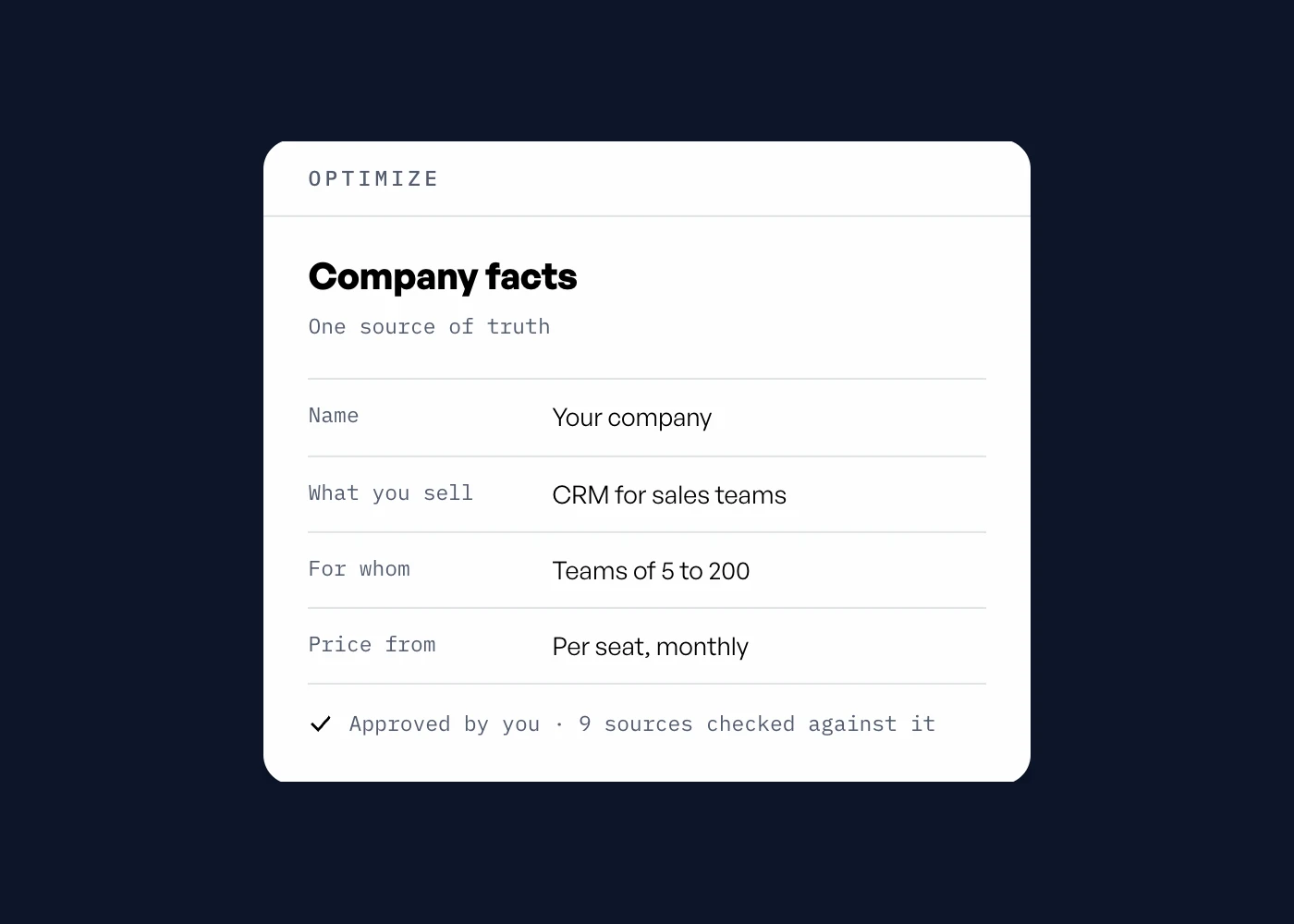
- One shared base of company facts and decisions
- Control
- A person approves everything that goes out
Own servers or a hosted API
A private model runs inside your own infrastructure, and the documents stay there. A hosted API from OpenAI or Anthropic needs no servers of your own, and the text goes to the provider. These pages set out the trade-offs and the GPU memory a private model needs.
Next step
Building an AI feature or a document pipeline?
Send a few lines on the documents, the systems the model must connect to, and whether the data may leave your infrastructure.
We'll respond within 24 hours with a clear action plan.
Three ways to work with us
- 1
Full delivery
We take the whole project, from the architecture through the build to the launch.
- 2
A dedicated team
Engineers who work only on your product, for as long as you need them.
- 3
Engineers in your team
Our engineers join your team and work in your process, with your leads.
You keep full ownership of the product and the code, except our reusable components.
You pay for a delivered system or for a team for an agreed period. We do not sell access to a product.
How we start
- 1
Describe your project
A few lines on what you're building and where you're stuck.
- 2
Free project intro call
A 30-minute session to discuss your project and its architecture.
- 3
Project pricing
After the session, we price the work for your project.
- 4
Build with us
Full delivery, a dedicated team, or engineers embedded in your team.
Questions we get asked
What do people mean by generative AI?
Models that produce new text, images or code from an instruction. The large language models behind ChatGPT, Claude and Gemini work with text: they answer questions, write drafts, summarise documents and pull facts out of them.
What can generative AI do for operations teams?
Most of the value is in text-heavy work: answering staff questions from internal documents, drafting replies and reports, summarising long files, and turning notices, forms and emails into structured records for your systems.
Can the model run inside our own infrastructure?
Yes. We deploy private language models inside your own infrastructure and connect them to the systems you already run. We also build retrieval-augmented generation (RAG) over your own documents.
What is aigo and who built it?
aigo is our own product: it shows companies what AI assistants tell their buyers. It runs on AI agents that research, write, check and measure, and a person approves everything that goes out.
What GenAI work do you take on?
Answers from your company's own documents, AI features inside your product, and structured records from documents, on private models inside your own infrastructure. Our own product, aigo, runs on AI agents, and a person approves everything that goes out.
Read before you build
Recent articles
9 min read
Generative AI for a Broker's Recorded Calls: Transcribe and Search on Your Own Servers or Buy a Compliance Product
What EU rules ask a broker to do with recorded calls, how speech and language models turn them into searchable text and summaries, where those models make mistakes, and when your own servers are a better choice than a compliance product.
10 min read
AI Agents Inside Your Systems: What an Agent May Do Alone, What a Person Must Approve, and How to Start Without Losing Control
An AI agent is a language model that can call functions in your systems, such as looking up a payment or issuing a refund. This article sorts those functions by who decides, the agent or a person, and shows how to start with one narrow workflow.
10 min read
How to Test an AI Assistant Before Launch: Build a Test Set From Your Own Cases, Set Pass Marks, and Decide Who Signs Off
Before an AI assistant answers clients or staff, test it on real cases from your own work, each with an answer your people have written. Agree pass marks for each kind of mistake before the first run, and repeat the test after every change. The owner of the process signs off, not the firm that built the assistant.
10 min read
An AI Assistant for Customer Support: Your Helpdesk's AI Add-On, a Chatbot Platform, or a Custom Assistant on Your Own Data
Most support teams can start with the AI features of the helpdesk they already use. A separate AI agent platform makes sense when that AI fails a test on your own past tickets. A custom assistant is worth building when answers depend on systems no vendor connects to, or when conversations must stay on your own servers.
Planning generative AI for your team?
We'll respond within 24 hours with a clear action plan.
Free project intro call · 30 minutes